WE ARE NOW SOC Compliant.
As the world has become dependent on AI Agents, digital systems, Interconnected cloud infrastructure. Cybersecurity has become an integral part and a business need. It has become a fundamental component of compliance, operational governance, and organizational trust.
At Funavry Technologies, we recognize that building reliable technology. Compliance & Governance are strong part of our technological foundation. The successful completion of the SOC 2 Type II examination is a significant milestone in our dedication to information security, Compliance, Policies & procedures, risk management and operational excellence. This achievement reflects our commitment to establishing, enforcing and consistently monitoring security practices to enhance operations.
From Security Standards to Operational Accountability
The cybersecurity frameworks offer organisations a structured way to identify risks, implement safeguards, and evaluate how well their security practices are working.
But policy does not create security.
It requires controls that operate consistently across infrastructure, applications, people, processes, and information assets and systems.
The successful completion of our SOC 2 Type II examination provides independent assurance regarding the design and operating effectiveness of relevant controls over the examination period.
For Funavry, this means strengthening the link between security governance, technology management and operational execution.
SOC 2 Type II: Deep Exploring the Controls that Build Digital Trust
SOC 2 is an independent assurance framework created by the American Institute of Certified Public Accountants (AICPA). It evaluates controls that relate to the Trust Services Criteria of security, availability, processing integrity, confidentiality, and privacy.
It’s an important distinction.
Organisations need to show that applicable controls are defined, implemented, and consistently operating in their operational environments.
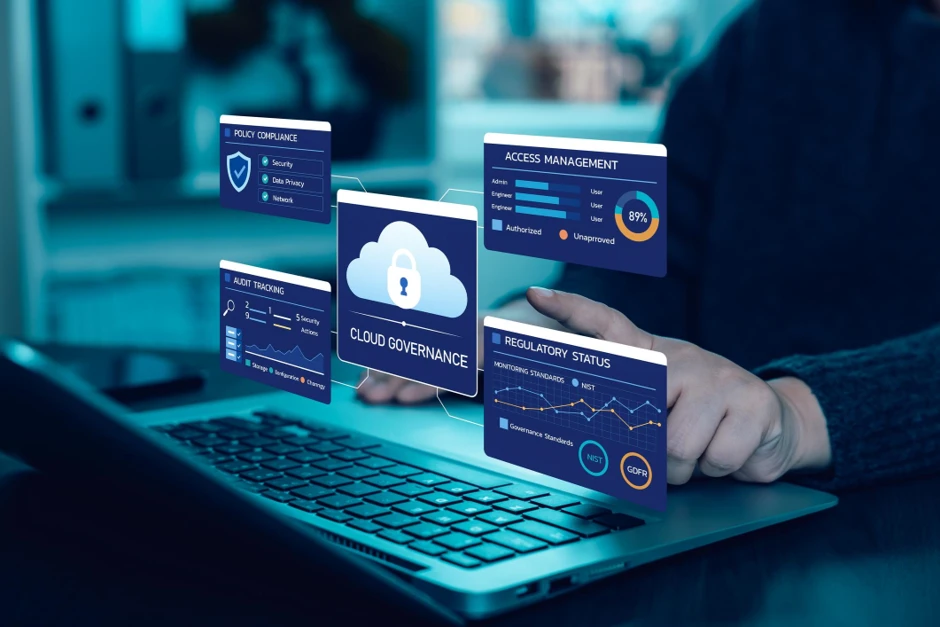
The Core Areas of Security and Control Evaluation
Effective security requires multiple layers of protection working together. One of these controls are:
- Access & Identity Management
Controlling the individuals that can access systems, applications, and company’s sensitive information is fundamental control to make sure who is accessing the secretive data.
Identity and access management practices help to ensure that permissions are granted in accordance with operational responsibilities and legitimate business needs.
This includes providing controlled access, authentication practices, management of permissions and performing periodic access reviews.
By implementing structured controls on access, organisations can reduce the risks of unauthorised access and improve accountability across their digital ecosystems.
- Security Monitoring and Incident Response
Cybersecurity needs a continuous awareness of potential threats, anomalous activities, and vulnerabilities of systems.
Security monitoring helps identify suspicious behaviour and potential security incidents . Incident response procedures provide a structured approach to investigating , managing and addressing security events .An effective response framework helps organizations minimize disruption, improve visibility, and strengthen their ability to respond to evolving cyber threats.
-
Data Protection & Confidentiality
Data is one of the most valuable assets in modern technology environments. It must be protected with appropriate safeguards along its lifecycle.
Security practices should consider how information is accessed, processed, stored, transmitted and retained.
Data protection and confidentiality controls protect sensitive business information, support controlled handling of information and reduce exposure to unauthorised disclosure.
-
Backup & Recovery
Operational resilience is the ability of an organization to bounce back from unexpected disruptions.
Business-critical operations can be impacted by system failures, accidental loss of data, cyber incidents and infrastructure disruptions.
Good backup and recovery practices are structured and help support data recovery, system availability and continuity planning.
These measures are important to ensure reliable technology services and to reduce the operational impact of unexpected events.
-
Risk Management
As technology, infrastructure and business requirements evolve, so do security risks.
Organisations can use a structured risk management approach to help them identify potential vulnerabilities, assess the business impact, put in place appropriate mitigation measures, and monitor changes in risk conditions.
Proactive risk management supports better informed decision-making and more resilient operational planning, as opposed to reacting after the fact.
-
Infrastructure & Change Management
Tech environments require constant updates, configuration changes, maintenance and upgrades to infrastructure.
If not governed properly, such activities can introduce vulnerabilities or disrupt critical services.
Controls for infrastructure and change management support documented changes, controlled implementation, proper authorisation, and operational oversight.
-
Employee & Security Policies
Technology security is an organisational obligation as well.
Every day, employees, contractors and other authorised users interact with business systems and information. They know about security policies and responsibilities and that is important in creating a secure environment.
Clear policies, security awareness and defined operational responsibilities help to build a culture where information protection is part of everyday decision making.
Beyond Compliance: An Invaluable Dedication to Cybersecurity
Passing a recognised security standard examination is a significant step. With the AI influence, Modern software techniques, vulnerabilities are likely to appear at a higher rate,
Threats evolve. Technology changes. Business environments become more interconnected.
Our SOC 2 Type II examination and successful completion are important milestones in our broader security journey. They reassert our commitment to structured information security management, independently assessed controls and responsible technology operations.
We believe digital trust is created by consistent practices, transparent governance and accountability at all levels of an organization.
As we continue to build intelligent solutions and support the changing needs of enterprise technology, we are committed to building the security foundations behind everything we deliver at Funavry Technologies.